Peddinghaus Punching Tool for Fence Production
Special Punching Attachment for Fence Fabrication
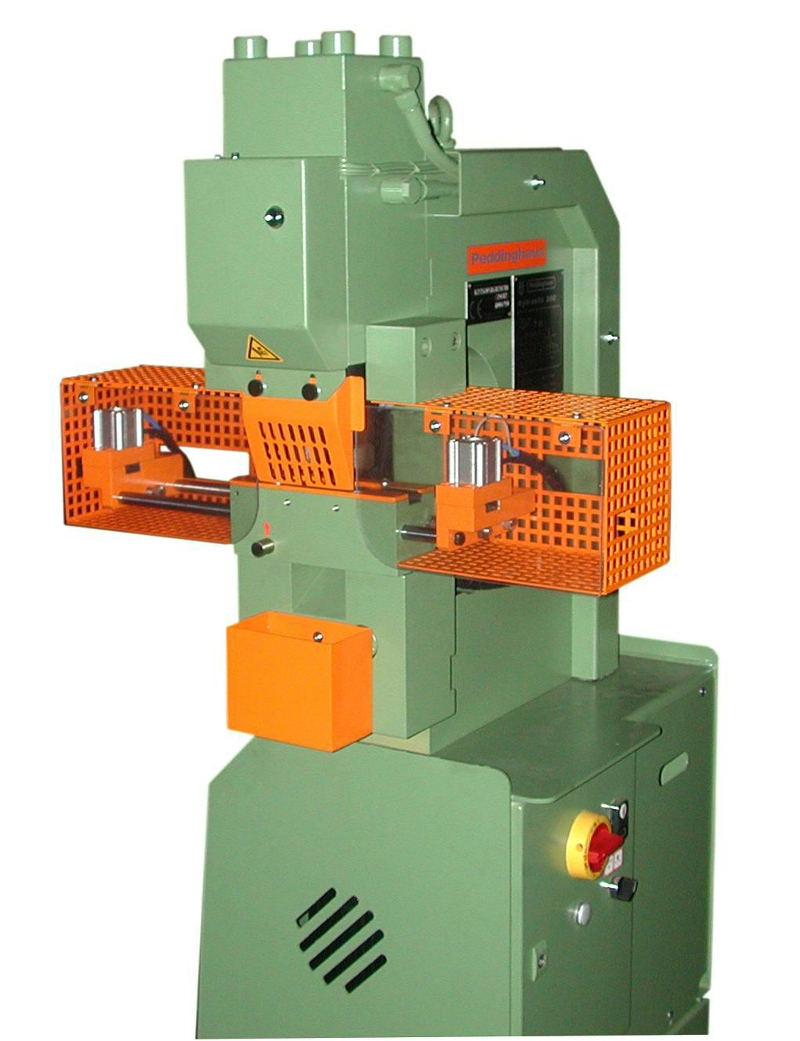
- Twin punching attachment
- hole centre distance: 65mm
- including electro-pneumatic
- feed control,
- for processing 25 × 5 mm flat bar
- complete
Punching machine model Hydraulic 280 equipped with twin punching attachment for fence fabrication
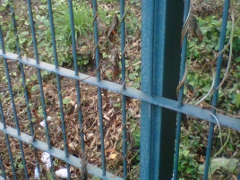
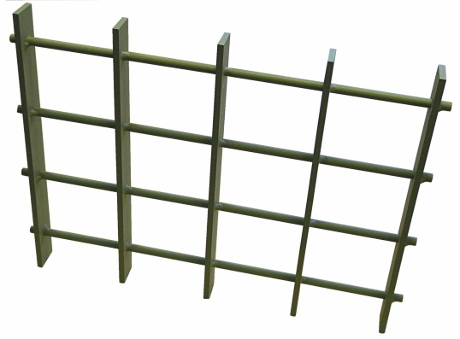
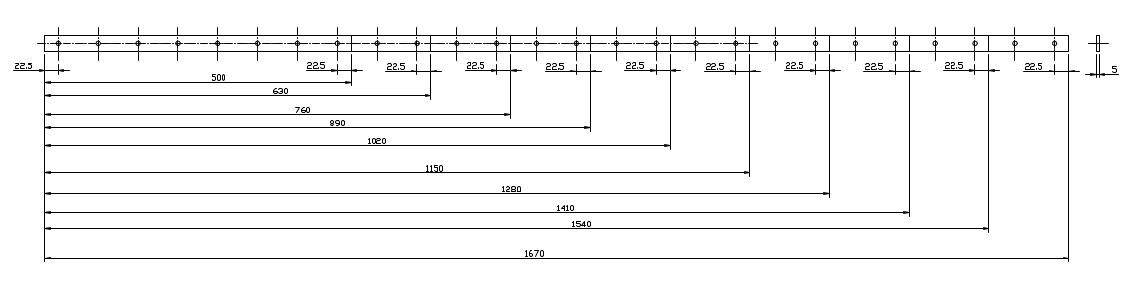
Applications in steel construction
The specialised punching tool for fence fabrication punches profiles and plates for fence and railing structures in a single operation. It is designed for the repeating hole patterns typical of infill bars, posts and rails in fence construction. This produces reproducible openings for bolted and slotted connections without time-consuming marking out and drilling.
Typical applications
- Punching fence posts to receive rails and infill elements
- Openings in flat steel and square hollow sections for bolted connections
- Repeating hole patterns on infill bars for bar and mesh panel fences
- Preparing slotted and bolted connections on railing and fence frames
- Series production of identical hole spacings on fence panels
Which businesses use it
Used in fence-building and metalworking businesses, locksmith shops and forges that fabricate fences, railings and grille structures.
Frequently asked questions
What is a punching tool used for in fence fabrication?
It is used to punch repeating holes into the profiles and plates of fence components, for example to connect posts, rails and infill bars. Compared with drilling, marking out and chips are eliminated, and hole spacings can be reproduced consistently in series production.
What is the advantage over drilling?
Punching creates the hole in a single stroke without chip formation and without pre-drilling. With consistent hole patterns such as those common in fence construction, this allows considerably faster work with consistent positioning compared with drilling each hole individually.